“Las Yerbas” Apothecary

July 2023–October 2023

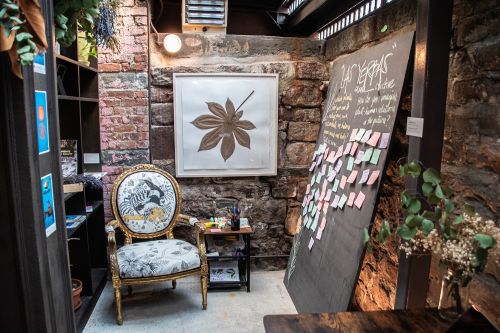
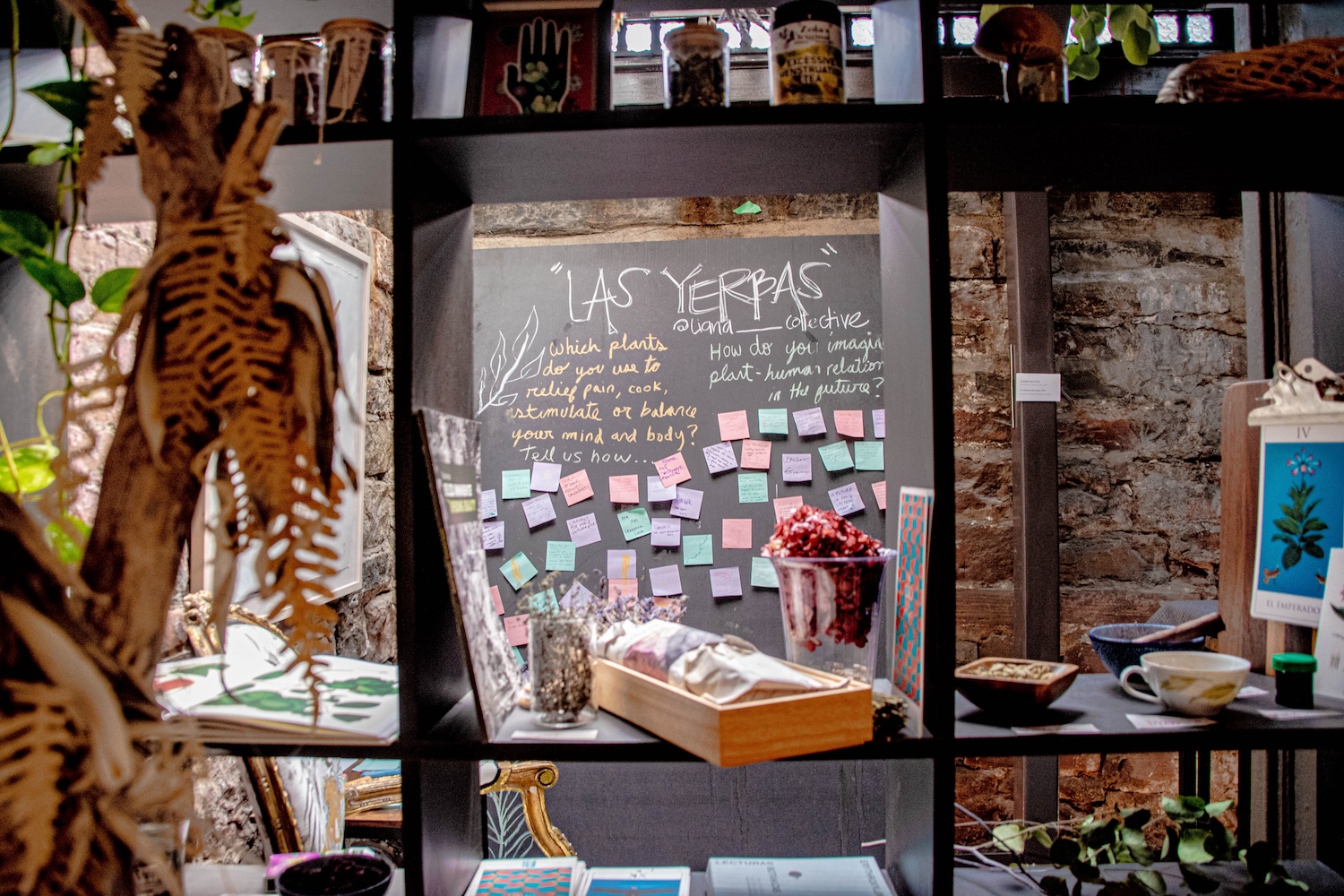
“Las Yerbas” Apothecary was an interspecies research space initiated by the collective Liana focused on knowledge transfer between plants and humans. During the 2023 Summer Residency at Canal Projects, Liana designed a series of dialogues, events, and artistic workshops to foster multidisciplinary exchange with artists, Indigenous sabedores and local community members who create, cook, think and heal in interconnection with plants.

During four months, Liana collaborated with the Mixtec indigenous women’s collective Voces, with whom they produced “Comedor de Quelites Mixtecos,” a series of five recipe zines that unfold the stories of families and traditions migrating from the mountains of Guerrero, Mexico, to New York. Liana’s residency also activated conversations and scenarios focused on decolonizing the coca plant, seeking to expand the complexity of a plant that has been reduced as a raw material for producing narcotics.

Public Programs:

Hable y vea coca en Nueva York with Futuro Cocoa, Friday, August 4, 2023 (6–8:30 PM)

Vegetal Narratives with Tatiana Arocha, Friday, October 13, 2023 (5–8 PM)

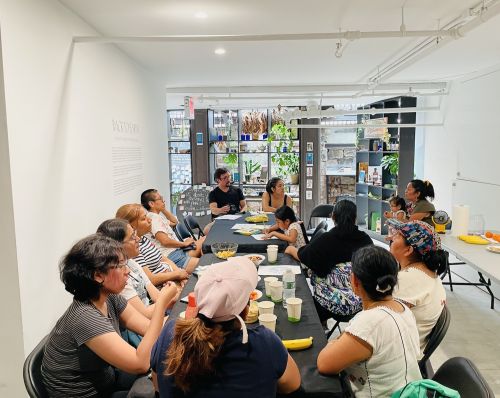
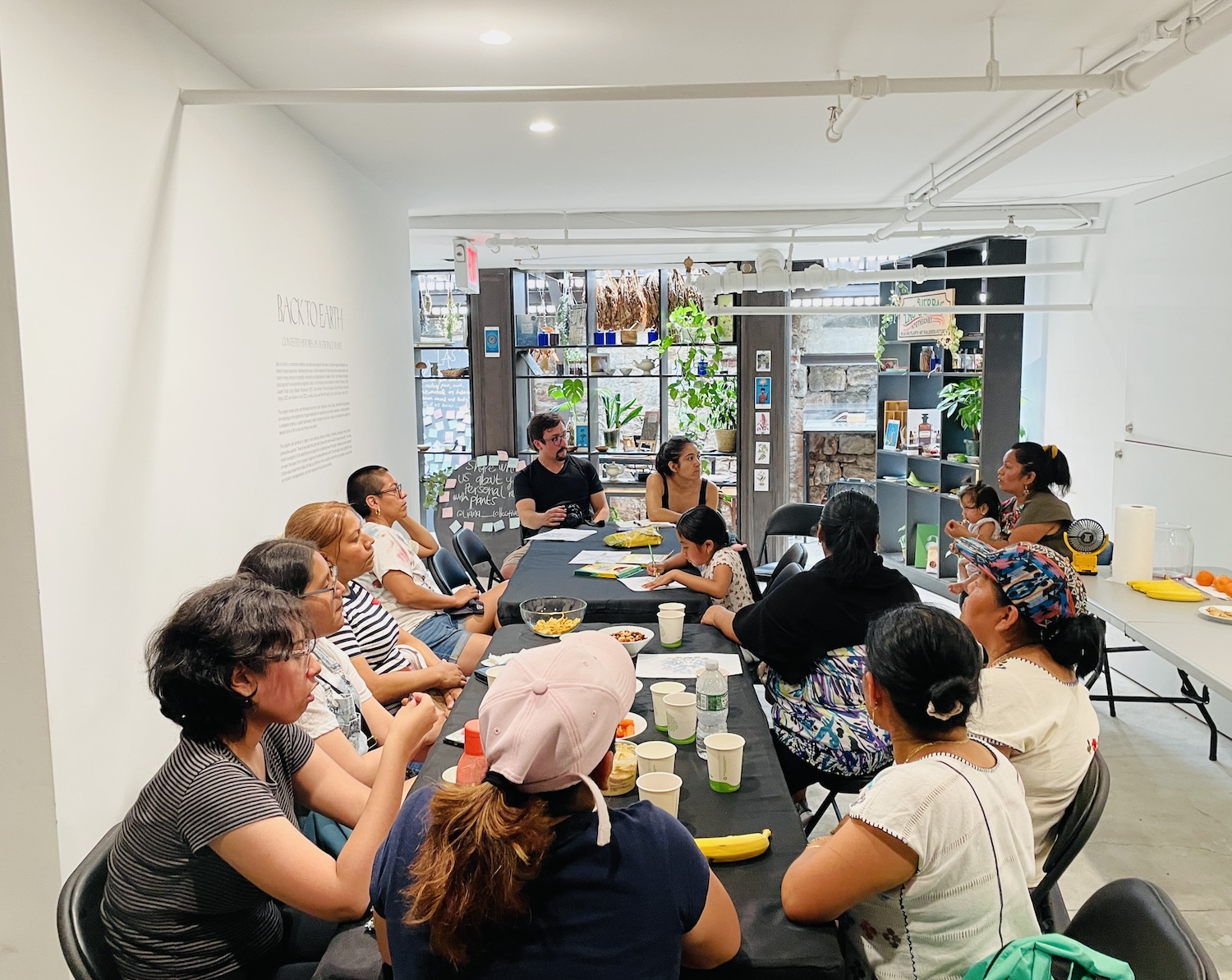
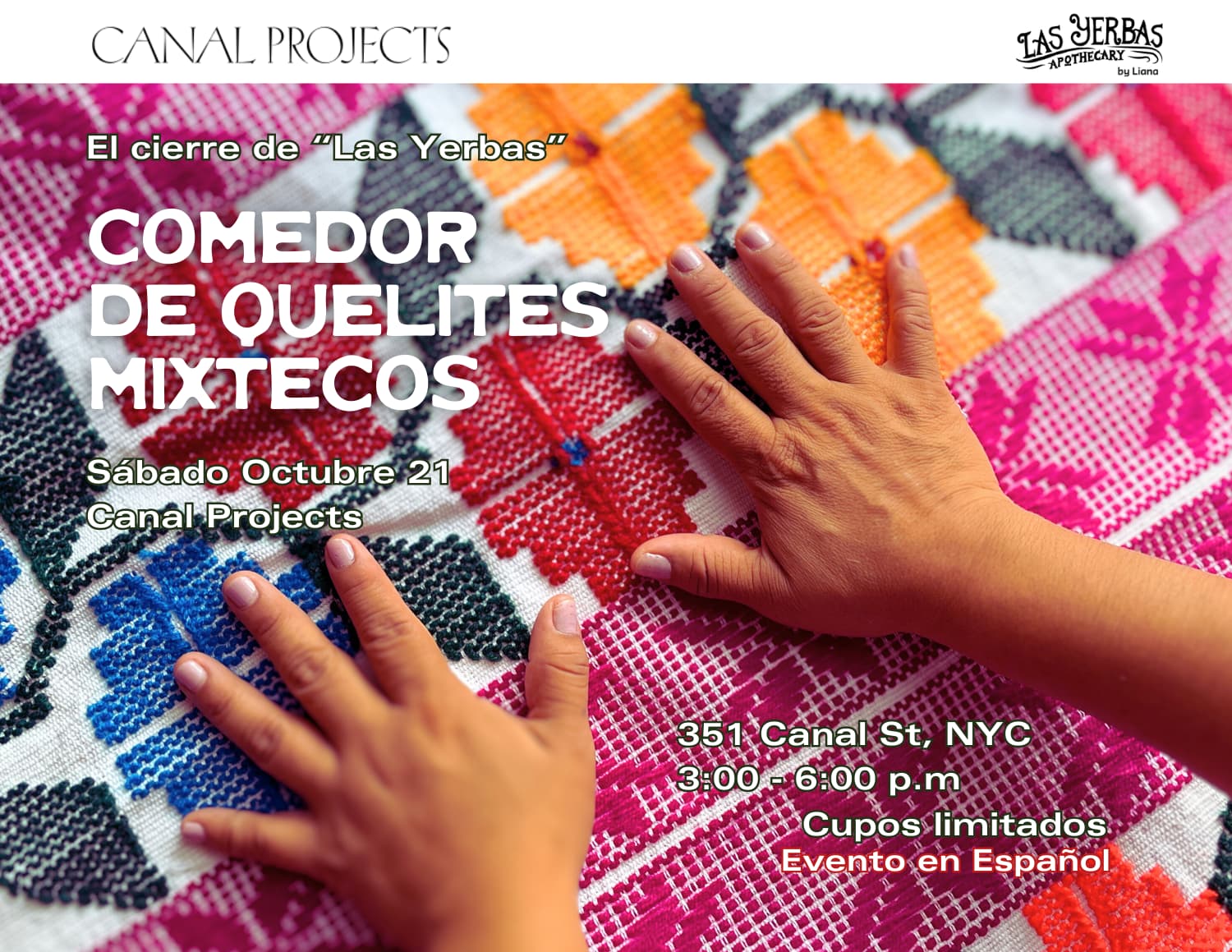
Quelites Mixtecos Dining Room - Comedor de Quelites Mixtecos with Voces, Saturday, October 21, 2023 (3–6 PM)

About Liana:

Integrated by a group of interdisciplinary artists and Latin American social researchers, Liana is a collective that aims to expand the urgent understanding of plant intelligence and wisdom and to promote interspecies dialogue through artistic research and practice. Liana reclaims sacred plants and advocates their mystical, political, medicinal and nutritional value for multiple diasporic and local communities. Liana investigates plant-human relationships and plant-based artistic practices, broadening the public conversation about plants as subjects with agency that can contribute to rethinking community well-being and healing.

Bios:

Juan Pablo Caicedo Torres (Bogotá, b. 1991) is an interdisciplinary artist, educator, and researcher whose practice encompasses a wide range of sociopolitical issues. Juan holds a M.A. in Arts Politics from New York University and a B.F.A. from the National University of Colombia. His artwork has been exhibited in museums and art spaces across Colombia, Spain, Switzerland, and Australia.

Giselly Mejía (Támesis, b. 1990) is a social practice designer, researcher, strategist and visual artist based in New York. Giselly holds an M.F.A. in Transdisciplinary Design from Parsons.

Angélica Cuevas-Guarnizo (Medellín, b. 1988) is an anthropologist, interdisciplinary researcher and human rights journalist based in Brooklyn. Angélica was a reporter for the newspaper El Espectador in Bogotá and was a professor of Journalism and Innovation at the Pontificia Universidad Javeriana. She holds an M.A. in Anthropology and Design from The New School.
Research

“Las Yerbas” Apothecary

by LIANA

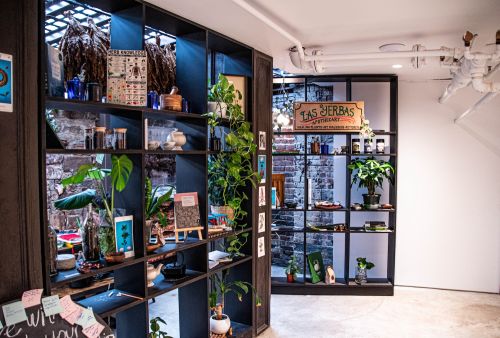
“Las Yerbas” Apothecary was an interspecies research space focused on knowledge transfer between plants and humans. During the 2023 Summer Residency at CP, Liana designed a series of dialogues, events, and artistic workshops to foster multidisciplinary exchange with artists, Indigenous sabedores and local community members who create, cook, think and heal in interconnection with plants.

Understanding plants as sentient beings, Las Yerbas explored how plants feel, communicate, think and affect our shared realities. Building upon recent investigations around plant sentience, indigenous knowledge, and contemporary artistic practices, Las Yerbas was a space to engage with plants as subjects. It expanded on how the arts offer an opportunity to connect with plants beyond the Western epistemic approach, highlighting the political, mystical and aesthetical agency of plants.

During four months, Liana collaborated with the Mixtec indigenous women’s collective Voces, with whom they produced “Comedor de Quelites Mixtecos,” a series of five recipe zines that unfold the stories of families and traditions migrating from the mountains of Guerrero, Mexico, to New York. Liana’s residency also activated conversations and scenarios focused on decolonizing the coca plant, seeking to expand the complexity of a plant that has been reduced as a raw material for producing narcotics.

Comedor de Quelites Mixtecos

by LIANA & Voces

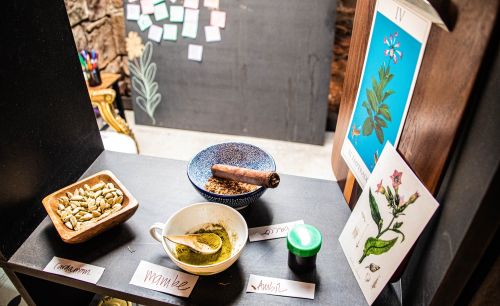
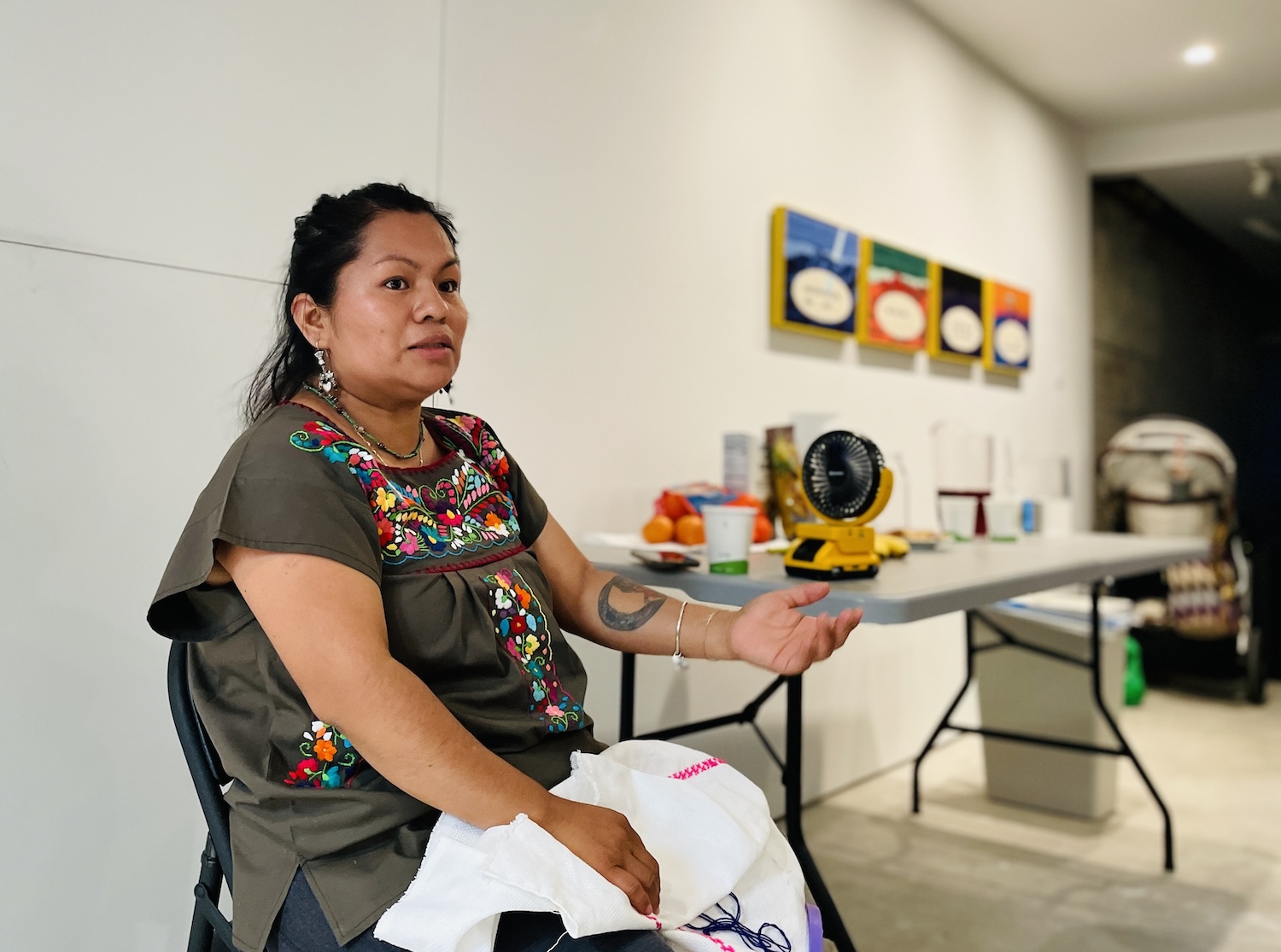
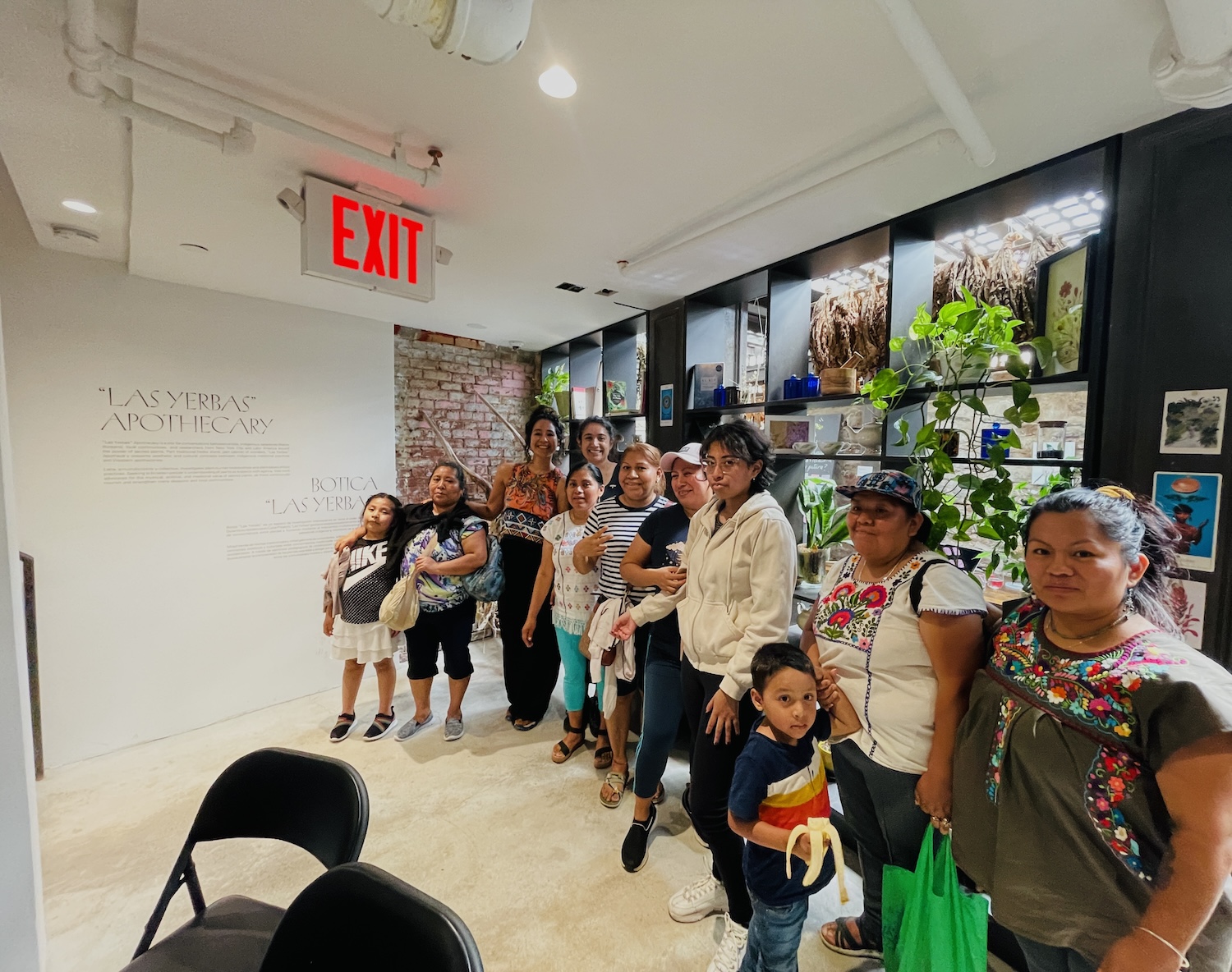
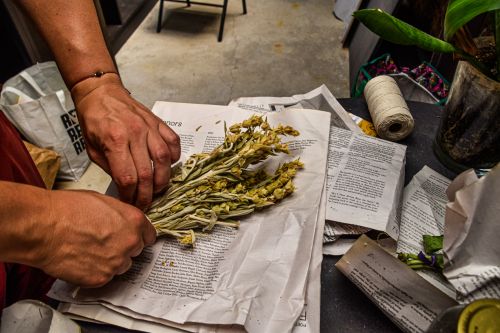
Liana began working with Voces to bring together their oral histories as Indigenous migrant women, as well as their memories of cooking and healing with plants. Voces is a collective of Indigenous women from Guerrero (México) who work in New York City to preserve Mixtec knowledge, language, and ways of life. The interviews with Mary José Prudente, Eufemia Neri, Zenaida Simón, Margarita Romualdo and Paulina Mendoza documented a series of recipes that reveal different types of communication with plants in the traditional knowledge of Mixtec women. Plants are used to season their food, elaborate home remedies, and harmonize their daily spaces and spiritual ceremonies. The project led to the creation of five recipe zines and activating a public dining room, which took place in October 2023 at Canal Projects. The dining table was a place of conversation around the journey of the plants that travel along with the immigrants and Voces deep ancestral ties to native herbs and traditional wisdom used not only for cooking but also to cure and treat various illnesses.

Coca-Humans Transferences and Futures

by LIANA & Tatiana Arocha

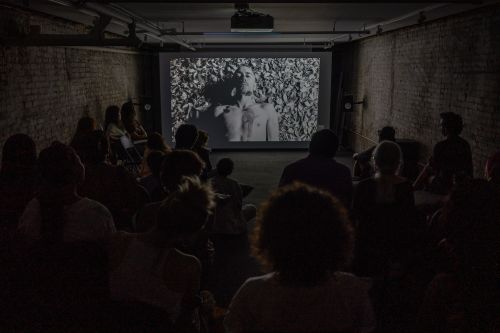
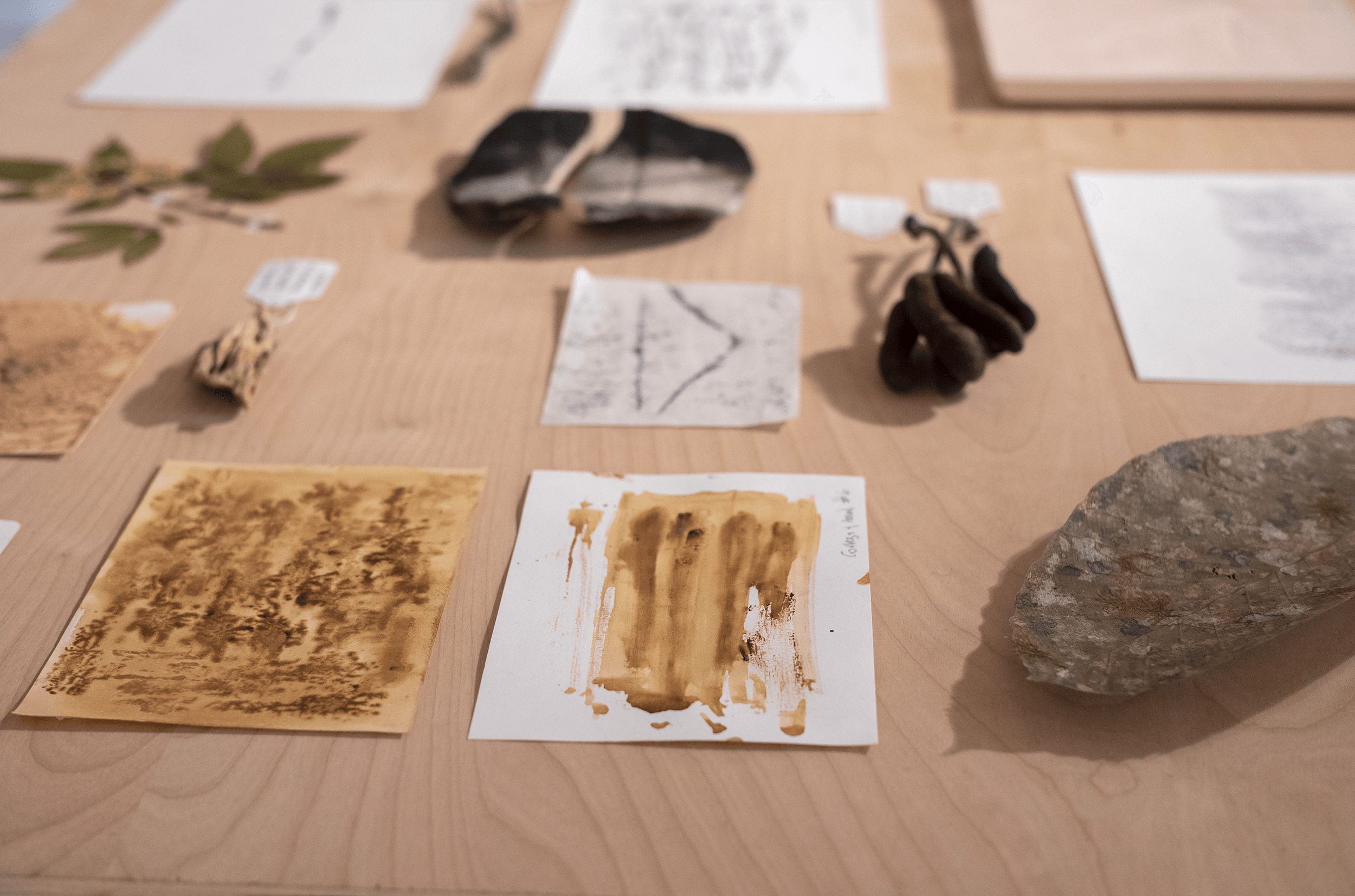
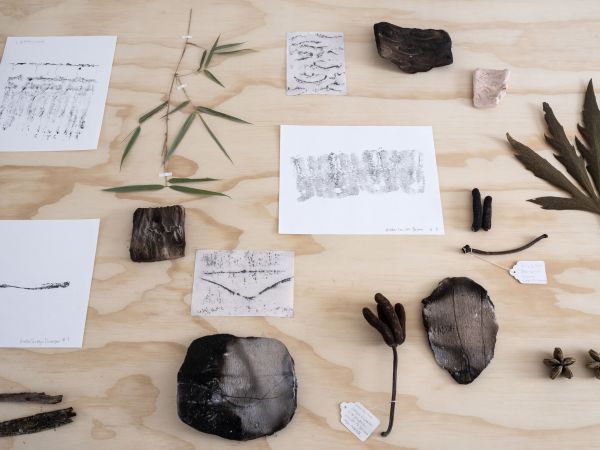
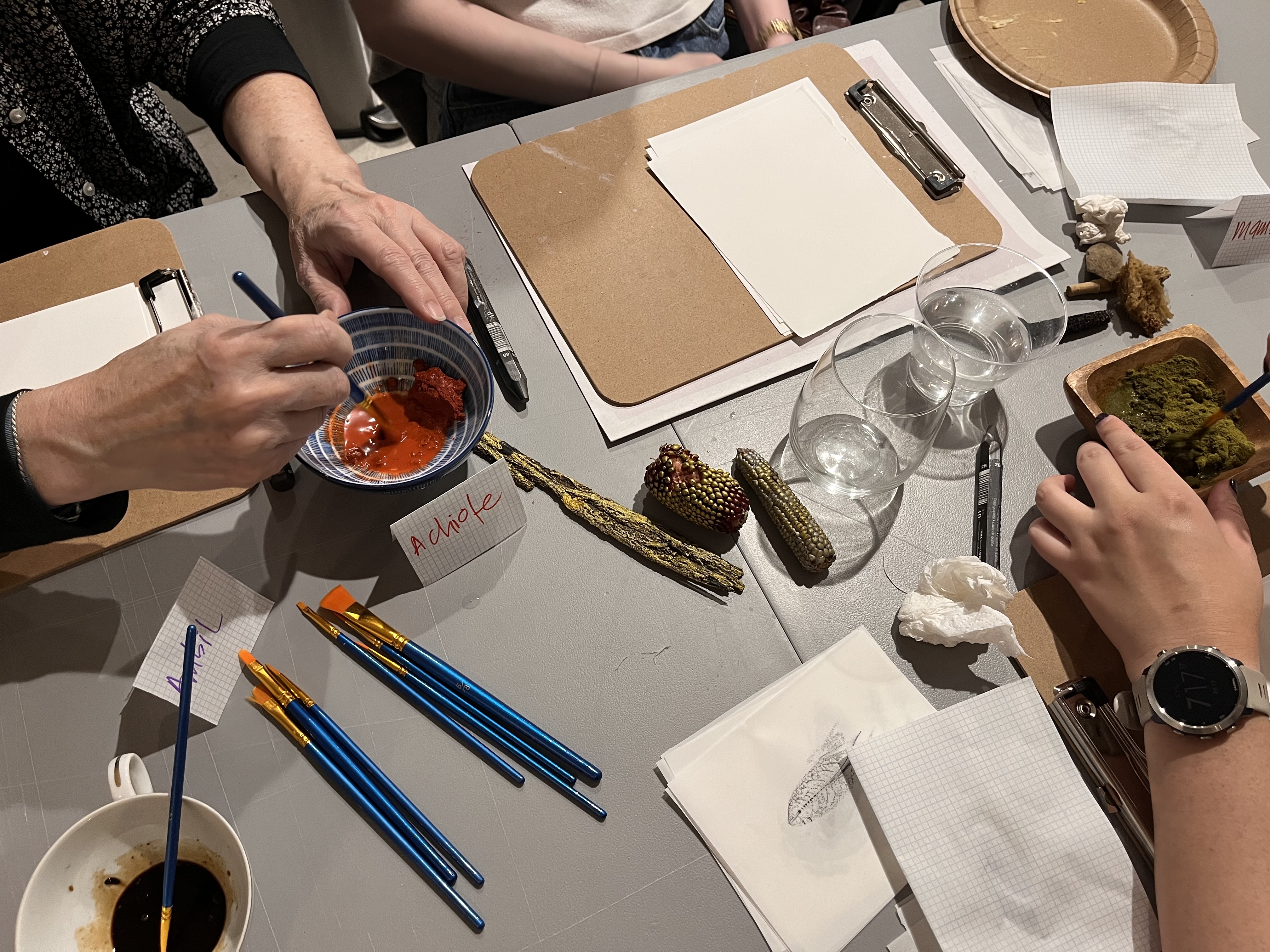
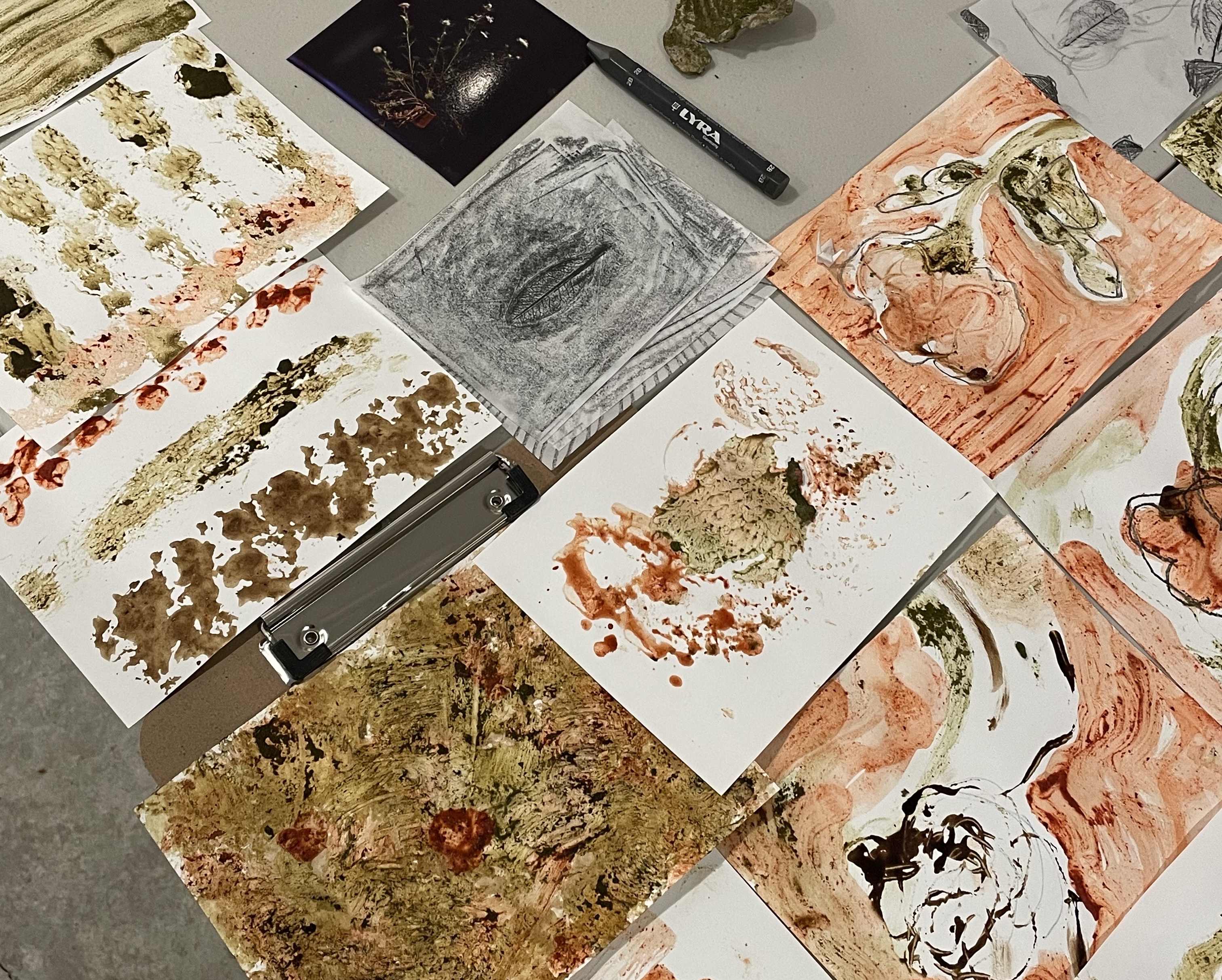
Liana explored plant life’s politics, intelligence and poetics, with particular emphasis on the study of coca. The collective exhibited three artworks from Colombian artist Tatiana Arocha at ‘Las Yerbas’ and designed a public program around the vindication of the coca plant. The program included the facilitation of community engagement activities, including research exercises on the future of coca; the screening of short documentaries on Colombian coca-growing families; and a workshop with artist Tatiana Arocha focused on drawing with coca leaves, coca flour, corn, tobacco, and other vegetable textures.